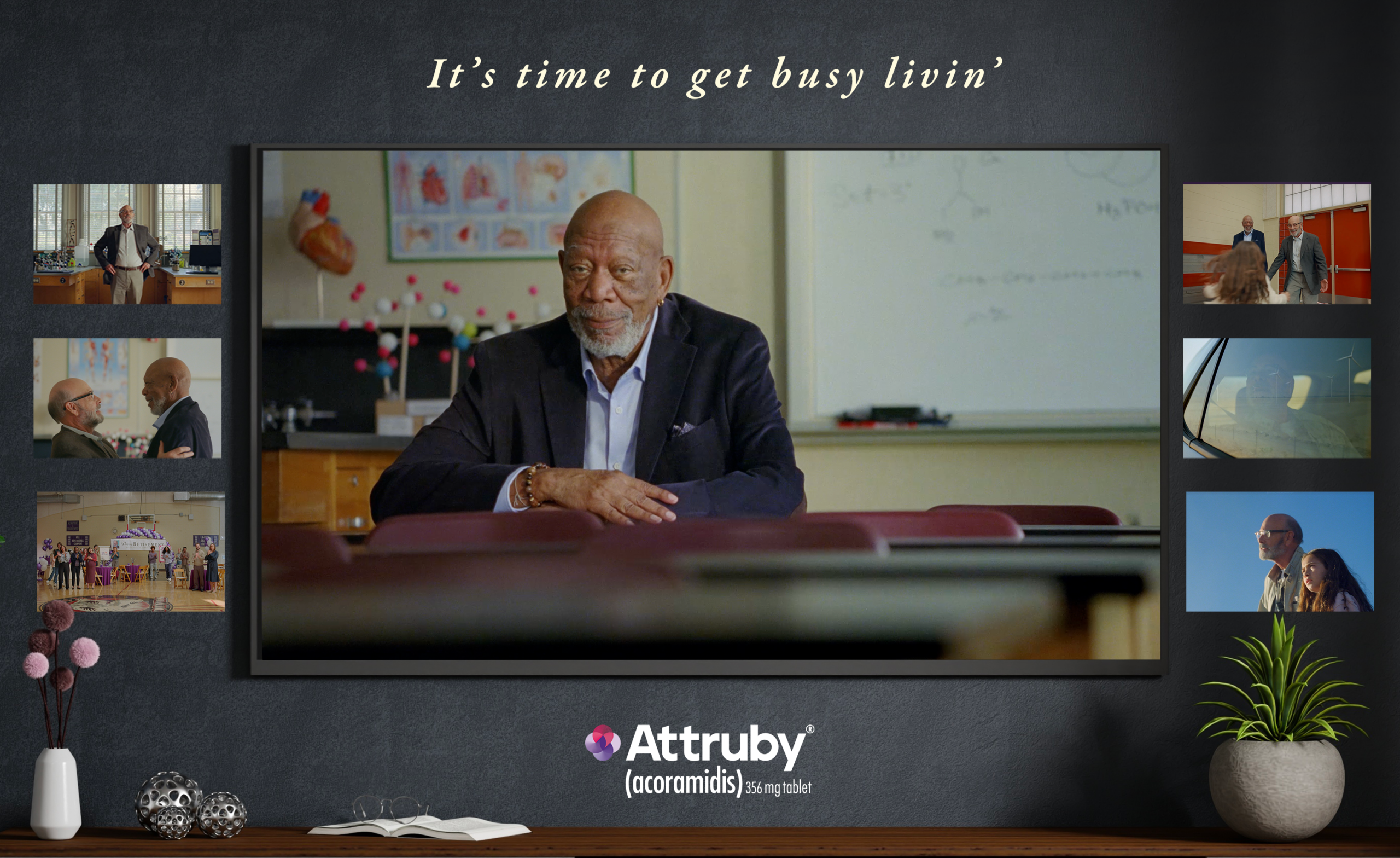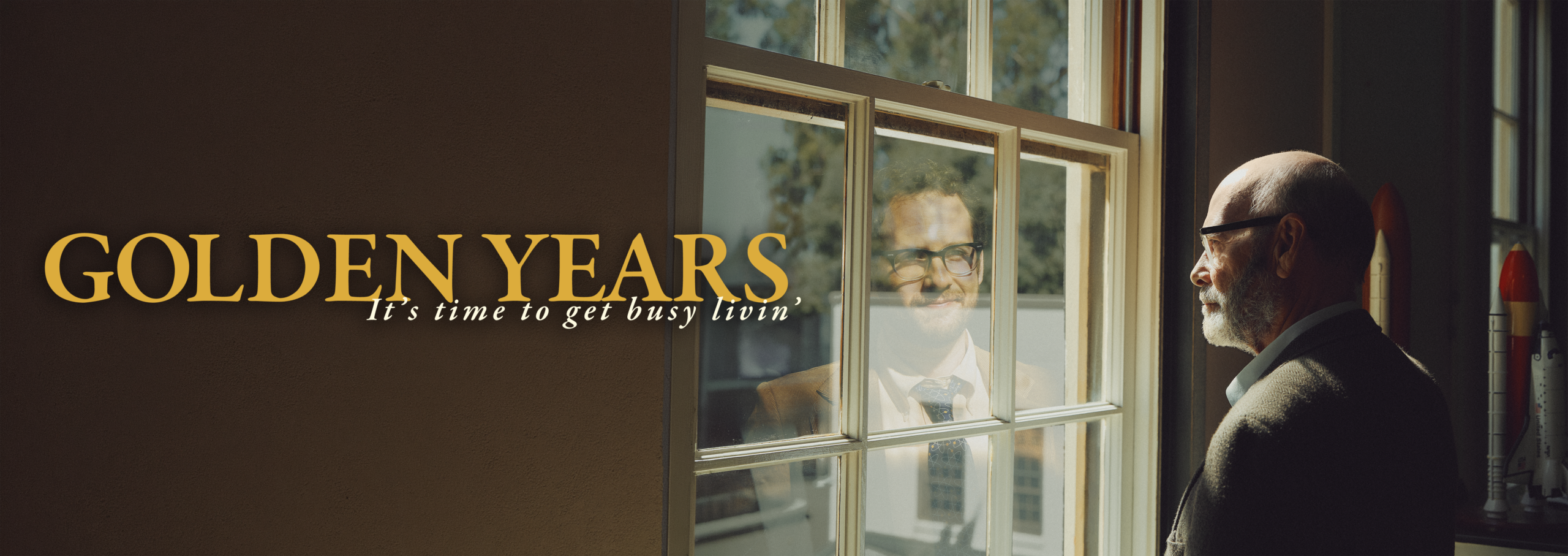
A film crafted through memory, texture, and time
For Attruby’s Golden Years campaign, every creative decision, from casting and cinematography to sound, production design, and narrative structure, was built to make a healthcare story feel like lived experience.
Golden Years was conceived not as a typical pharma spot, but as a short film with a human center, a visual point of view, and a carefully authored emotional arc.
In market research, it outperformed alternate concepts and pharma norms across attention, memorability, relevance, believability, and motivation, and was preferred head-to-head by 75% of respondents. More importantly, it validated a more cinematic, emotionally resonant approach to healthcare storytelling.
The Vision
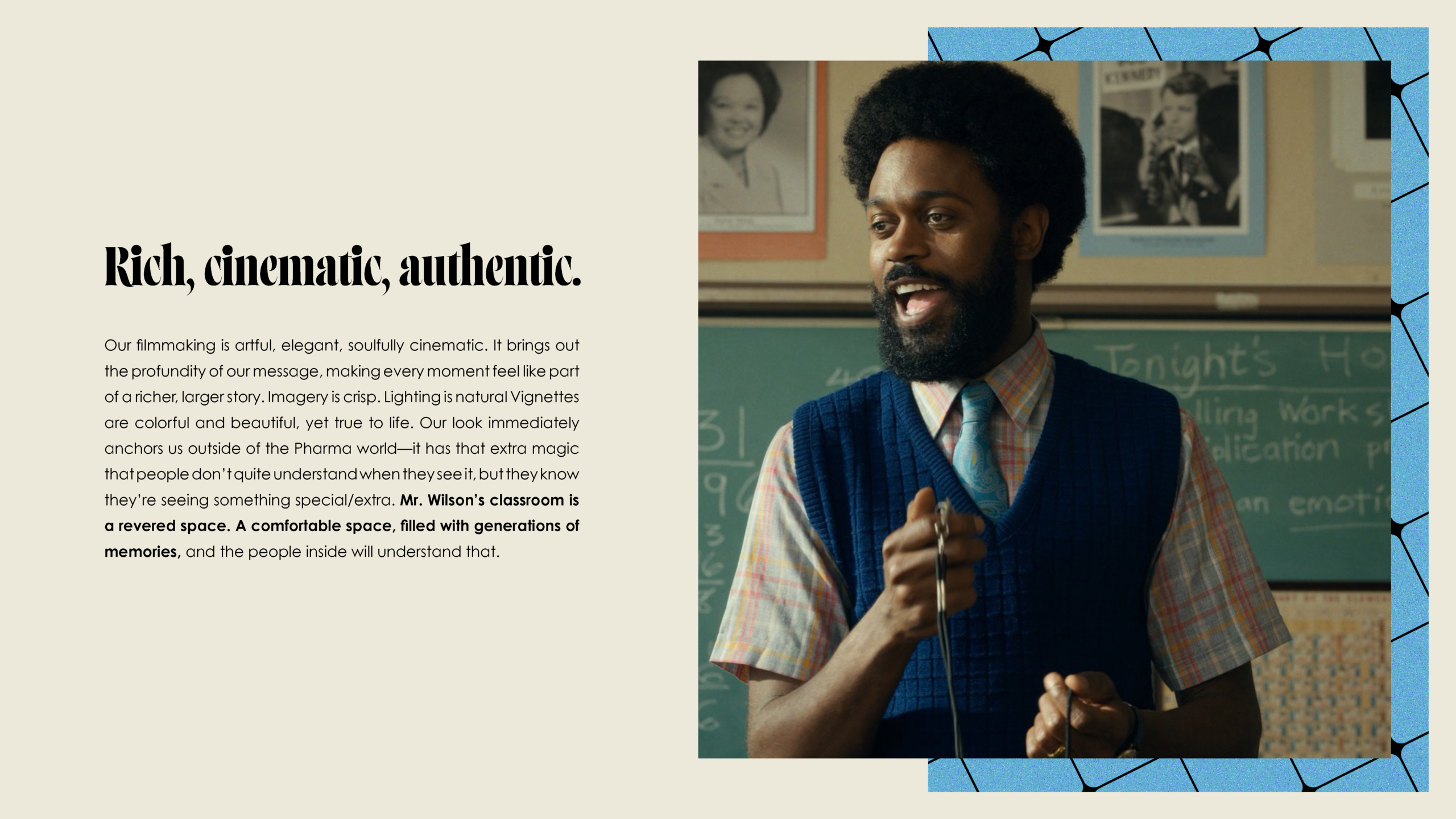
From the beginning, the ambition was clear: to tell a story rooted in reverence, memory, and hope through the eyes of a teacher whose life continues to shape others.The work was envisioned as rich, cinematic, and authentic, outside the conventions of category advertising and fully grounded in emotional truth. The treatment set the tone early, establishing a film language defined by warmth, texture, and restraint.

Two Films. One Emotional Arc.
Golden Years was developed as two complementary :60 films built on the same voiceover and shared narrative spine, but with different visual emphasis.
One leaned further into memory and flashback. The other gave more space to the present-day retirement journey. Each film worked independently, but together they revealed more of the story over time.
:60 Film "Yellowstone" | Retirement-Focused
:60 Film "Flashback" | Memory-Focused
Character before category
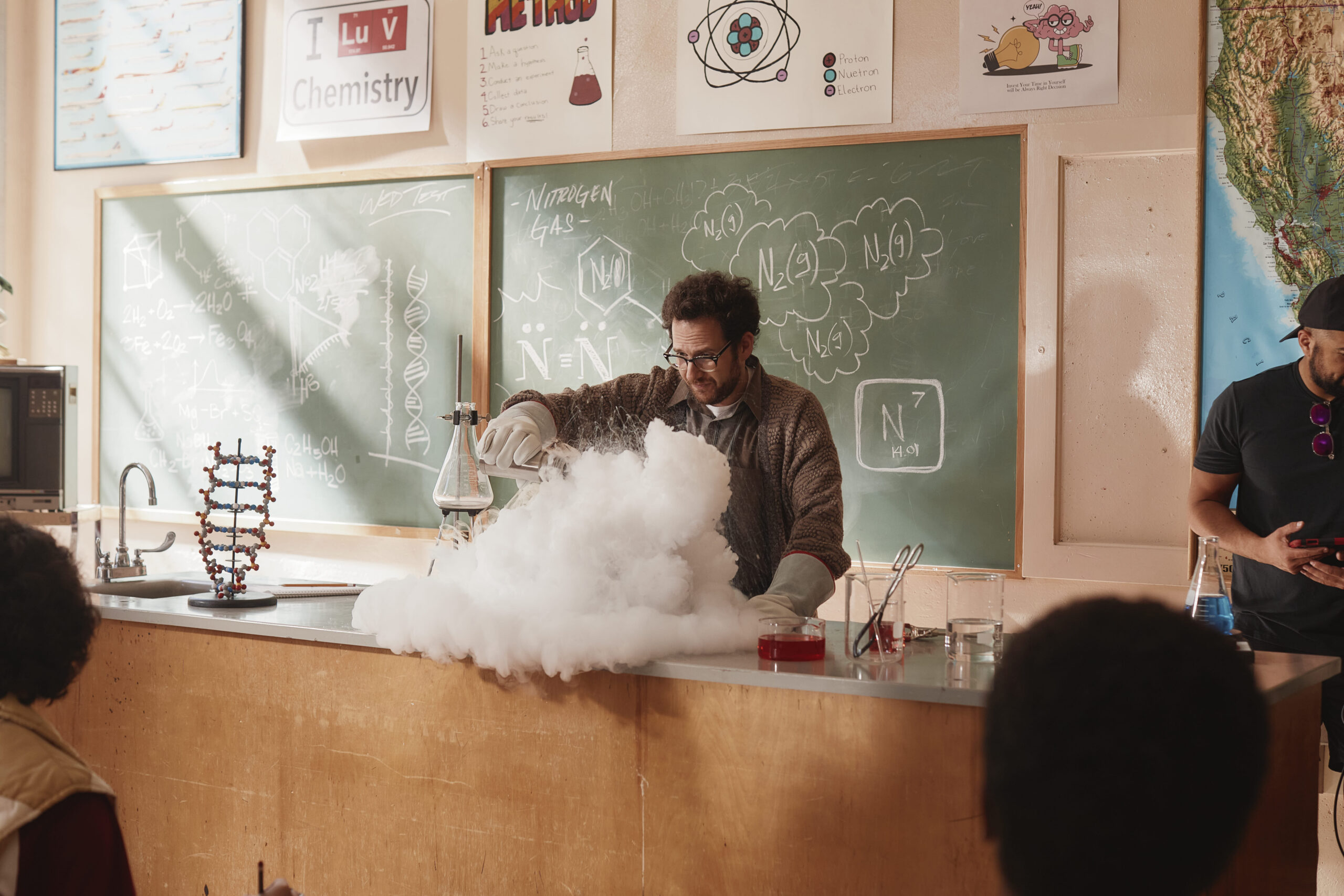
Golden Years begins with a person, not a diagnosis. Mr. Wilson was built as a fully lived-in character whose warmth, intelligence, and sense of purpose carry the emotional weight of the film.
Memory in the details
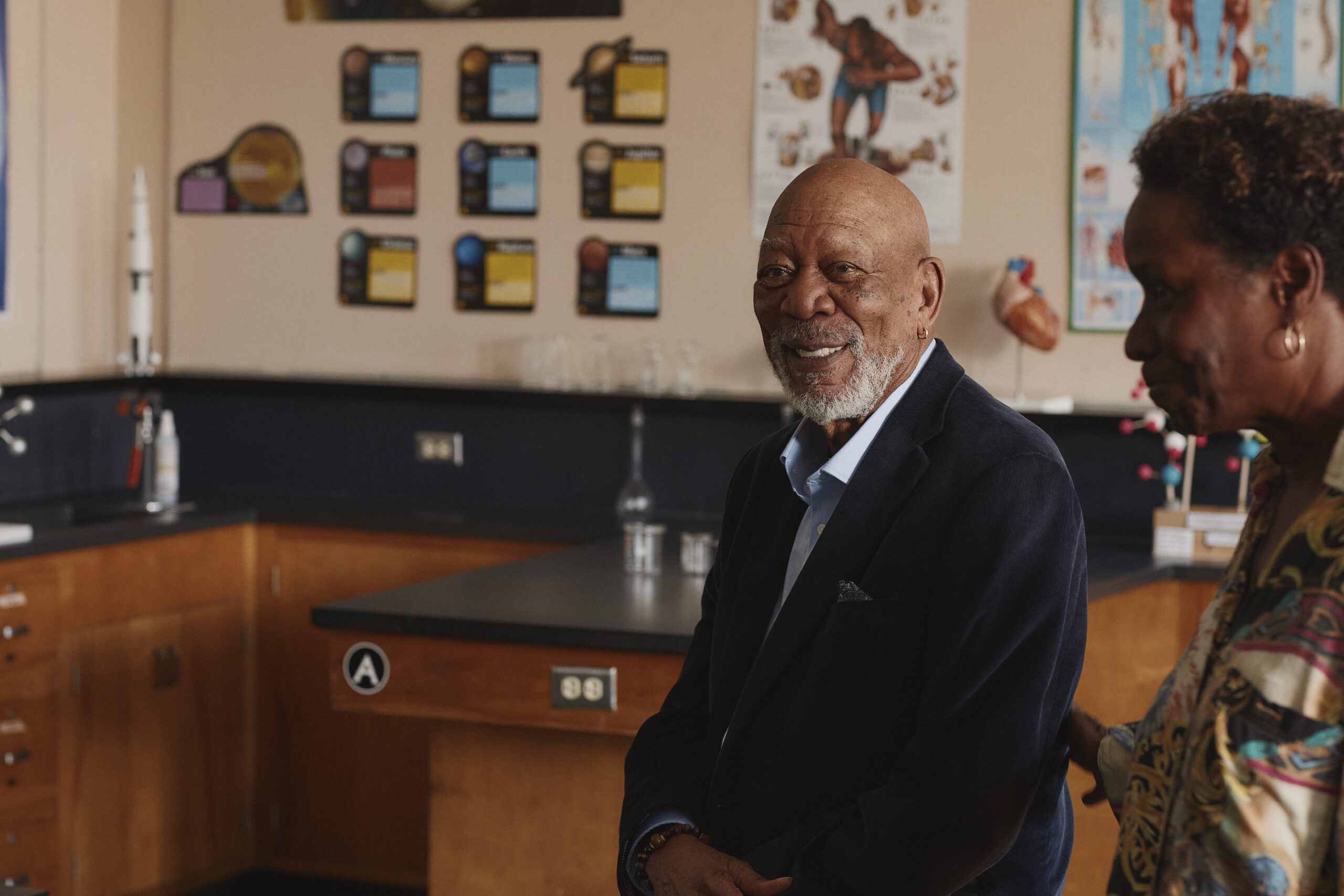
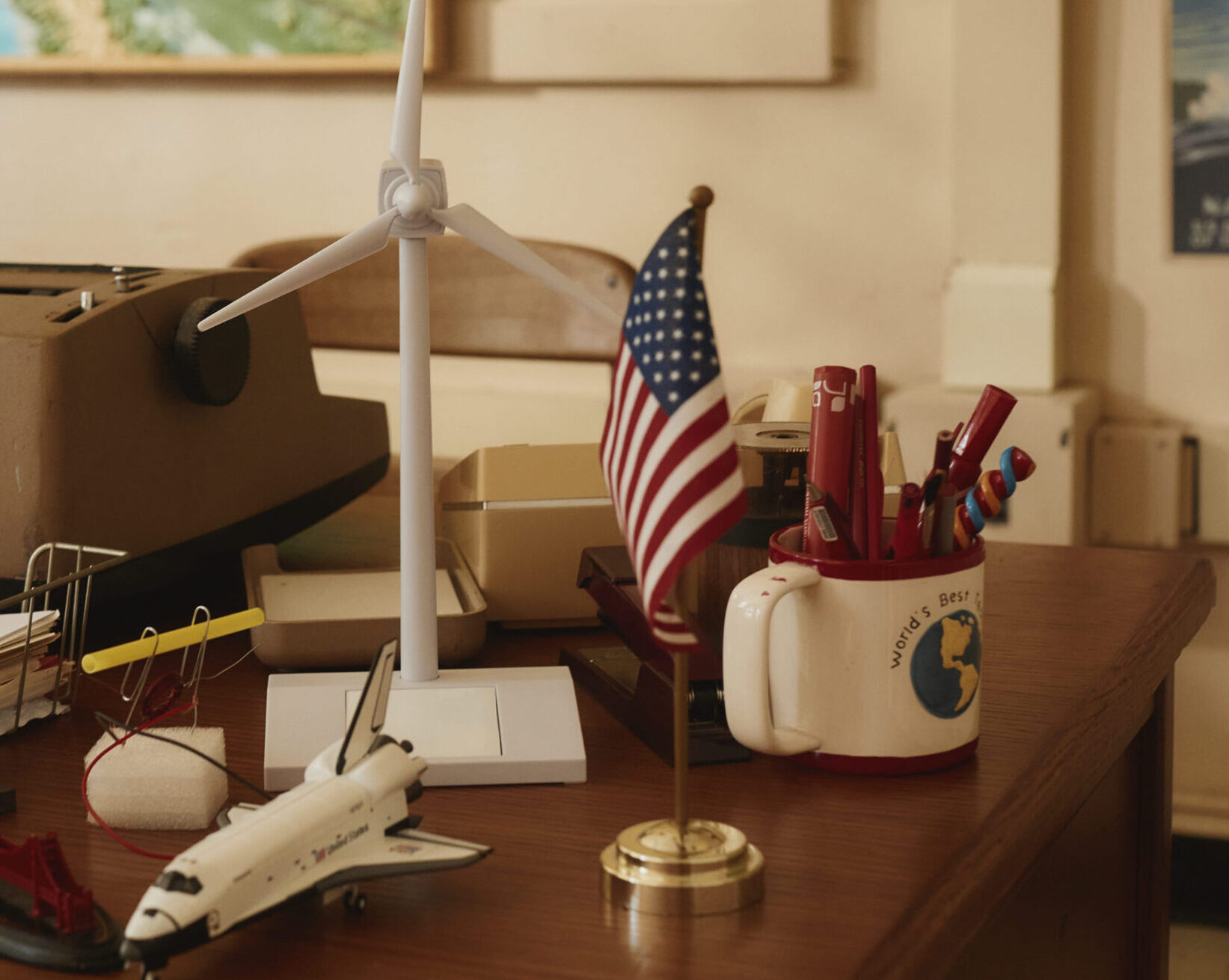
Memory was built through small, specific details: desk objects, photographs, old records, doodled book covers, and the textures of a room shaped by years of teaching. Even “Ooh La La” was chosen as a nostalgia cue, helping the story feel emotionally familiar before a single claim had to land.
Making time visible
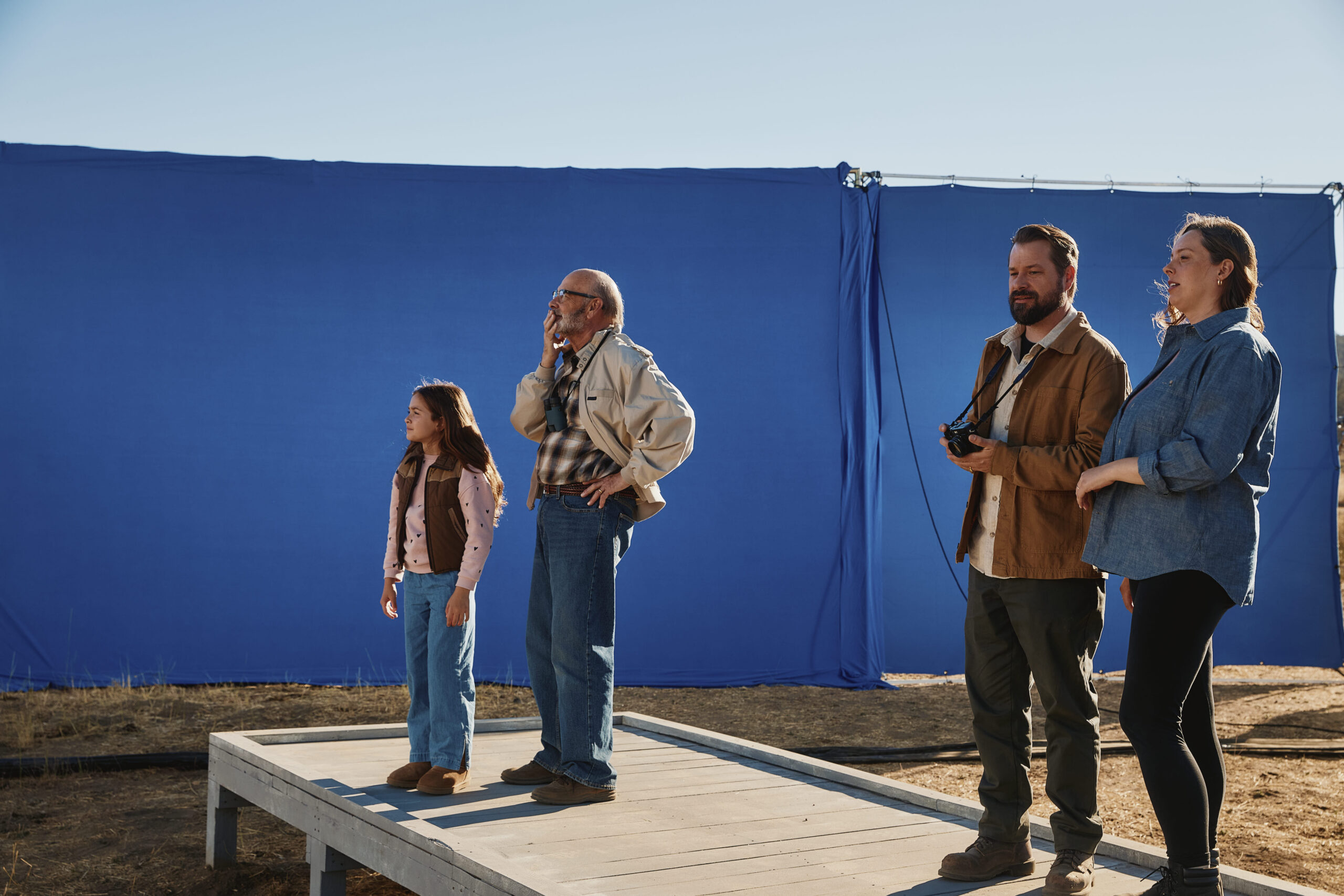
A central craft challenge was showing a life unfolding across decades while maintaining one cohesive emotional world. Reflections, flashbacks, and visual echoes allowed memory and present-day experience to coexist in a single cinematic language.
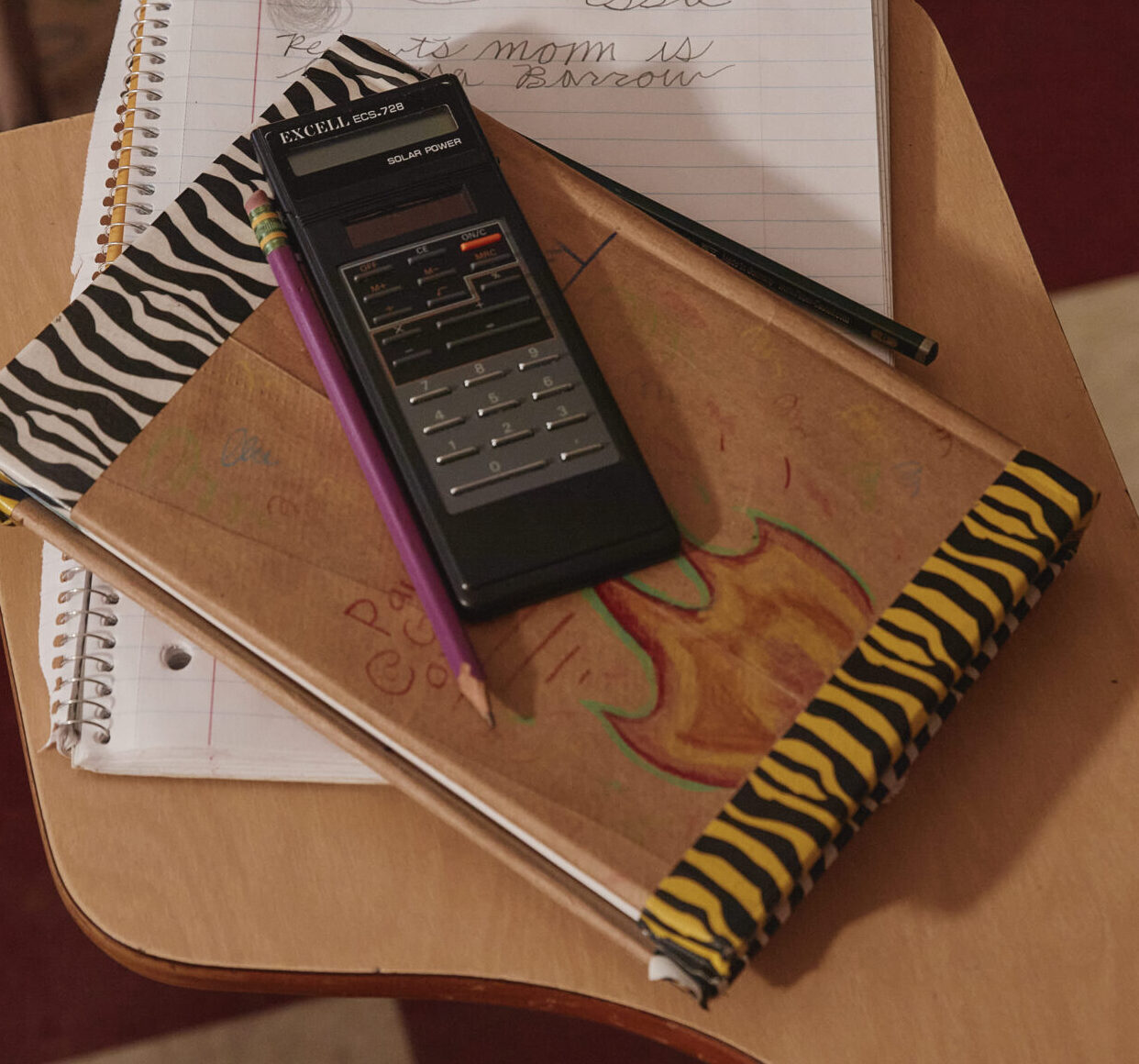


Texture, Sound, and Recall
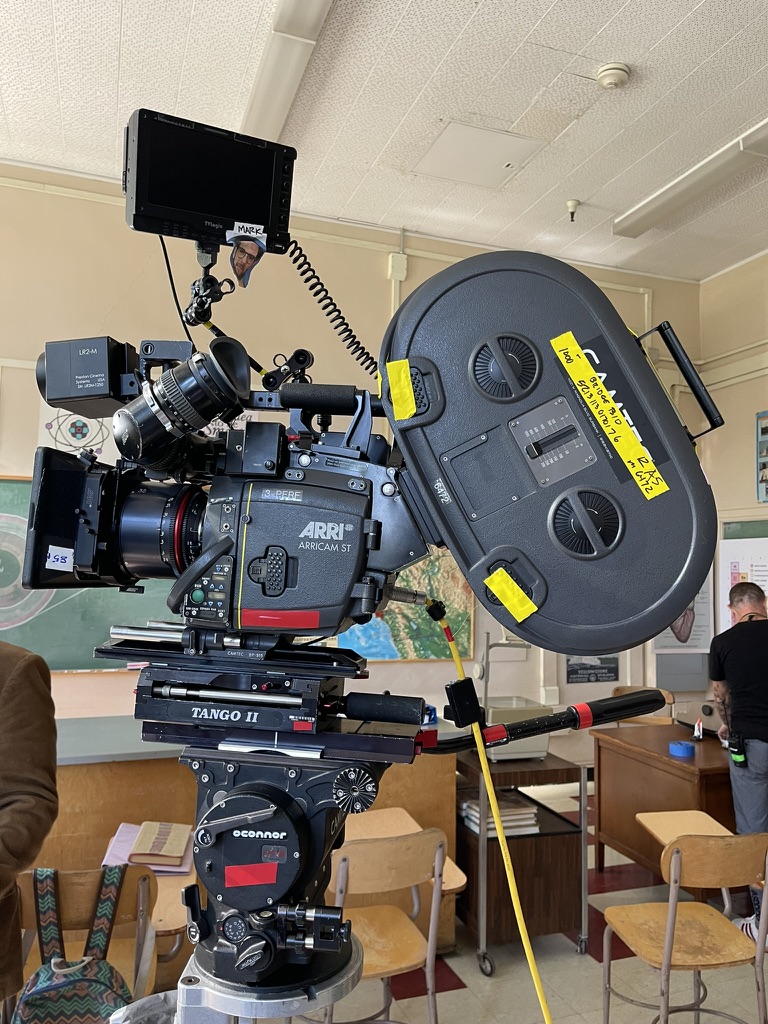
Shooting on film gave the work warmth, grain, and a visual memory quality that connected to the audience’s prime years. The edit was paced to breathe, and “Ooh La La,” paired with Morgan Freeman’s unmistakable voice, created instant familiarity and emotional recall.
Where Craft Became Connection
The work delivered both scale and resonance.
It generated 4.9 billion TV impressions, 187.9 million digital video completions, 6.8 million paid social engagements, a 444% spike in organic search in the first two weeks after launch, and 1.15 million visits to Attruby.com. Average monthly site sessions increased 53% versus Q1 after launch.
As one caregiver shared after seeing the work: “It felt like our story. Different than any pharma ad I’ve ever seen.”
4.9billion
TV impressions
187.9million
social engagements
6.8million
social engagements
444%
spike in organic search
1.15million
visits to Attruby.com
Why This Film Belongs in Excellence in Craft
Golden Years was built as a film first and a healthcare communication second, without ever losing the clarity the category demands.
Its distinction lies in how completely its craft system holds together: character, memory, music, texture, image-making, production design, sound, and editorial rhythm all working in concert.
The result is work that feels emotionally authored, technically disciplined, and unmistakably human.